
In times of loss, the decisions surrounding funeral arrangements can feel overwhelming. The choice between an open or closed casket is deeply personal and influenced by a variety of factors including cultural traditions, religious beliefs, and individual emotional needs. Families are often left to ponder what option will best honor the memory of their loved one while also providing comfort during an incredibly difficult period. This blog post explores the sensitive subject of open versus closed casket funerals, discussing the emotional, cultural, and practical aspects of each choice. The aim is to help guide families through this complex decision-making process by providing clear insights and reliable resources.
Should the Funeral Be Open or Closed Casket?
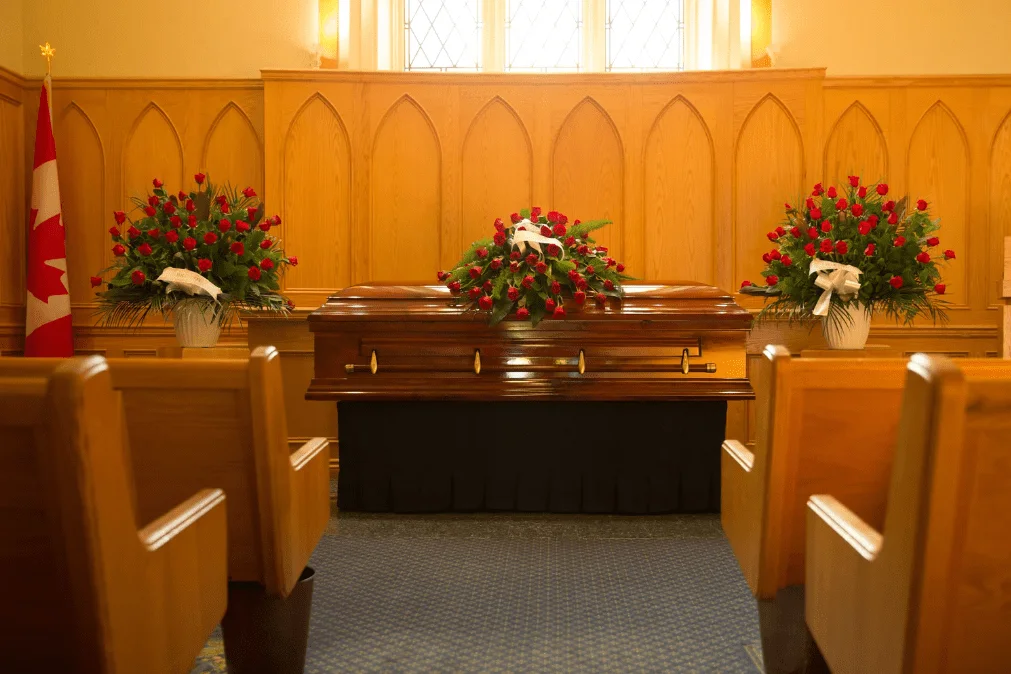
Many families believe that an open casket offers a final, tangible farewell. It allows mourners to see their loved one one last time. As a result, they may feel a sense of closure and comfort.
For others, a closed casket prevents the shock of viewing the physical effects of illness or trauma. It also shifts the focus to memories and the legacy of the deceased.
Cultural and religious customs strongly influence this decision. Some traditions encourage viewing the body. However, others treat it as a private and sacred moment that should not be publicly displayed.
Practical factors also matter. The condition of the body and the available mortuary services play a vital role in determining what option works best for the family.
The decision to choose an open or closed casket is never made lightly. For some families, seeing the deceased during an open casket service is essential. This final farewell helps them accept the reality of the loss. In addition, it supports a healthier progression through grief.
Conversely, if illness or trauma has altered the deceased’s appearance, an open casket may cause distress. It can also shift attention to physical deterioration rather than the person’s life and personality.
For many, an open casket carries deep symbolic meaning. It provides a final chance to appreciate the person’s physical presence. Moreover, it reminds mourners of life’s fragile nature.
However, some grief experts warn that an overwhelming viewing experience may slow healing. In such cases, a closed casket may be the better choice. It offers a dignified service that centers on stories, memories, and the enduring spirit of the loved one.
For more guidance on coping with grief and making informed funeral decisions, trusted resources such as the CDC’s funeral service guidelines can help.
Emotional and Psychological Considerations
- An open casket can serve as a powerful tool in the initial stages of mourning by offering a moment of acceptance and finality for family members and friends.
- Some individuals find comfort in the physical presence of the deceased, feeling that it affirms the reality of the loss and allows them to say goodbye in a tangible way.
- For others, the stark imagery associated with an open casket might deepen the sense of loss or create lasting traumatic memories, especially if the physical condition of the body is distressing.
- Emotional readiness and personal coping styles should be at the forefront of any decision regarding viewing the body during the service.
Grief is an intensely personal journey. No two experiences are exactly alike. Some families find that an open casket service helps them begin healing. The visual confirmation of the loved one’s passing can start the emotional adjustment.In contrast, families who feel vulnerable may prefer a closed casket. They may be sensitive to visual reminders of death. As a result, a closed casket can offer a gentler and less confrontational way to honor the deceased. Ultimately, the family must decide what will best support their emotional healing. They should make this choice with sensitivity and care.
For additional help in managing grief, you may also explore resources from the National Institute on Aging.
Cultural and Religious Influences
- Many cultures uphold traditions that either favor or discourage open casket viewings, often reflecting deeper values related to life, death, and the afterlife.
- Religious beliefs can shape perceptions about the sanctity of the body after death and dictate specific protocols for viewing and farewell ceremonies.
- In some Western cultures, an open casket is considered a respectful and necessary way to say goodbye, whereas in other traditions, it may be seen as disrespectful or overly morbid.
- Understanding the cultural and religious context can help families decide on the most respectful and appropriate method to honor their loved one.
For instance, many Western societies view an open casket as an essential part of the funeral service. It gives mourners a final opportunity to reflect on the human experience. It also encourages them to consider the cycle of life and death.Meanwhile, certain Eastern traditions place greater emphasis on the spiritual journey. As a result, families in these cultures may prefer a closed casket.The decision may also depend on the deceased’s personal wishes. Many people express how they want their final farewell to look, and families often honor those preferences.
To learn more about how cultural and religious beliefs shape funeral practices, you can also consult the U.S. Department of Veterans Affairs. Their guidance is especially helpful for individuals from diverse backgrounds or those who served in the armed forces.
Practical Considerations and Modern Guidelines
- The physical condition of the deceased, influenced by factors such as illness, trauma, or the time elapsed since death, often impacts the choice between an open or closed casket.
- Advances in embalming and mortuary techniques can help prepare the body for an open casket viewing, yet results may vary depending on the circumstances surrounding the death.
- Public health guidelines and industry standards must also be considered, especially during times of widespread health concerns that may limit gatherings or alter traditional practices.
- Consultation with experienced funeral professionals can provide clarity on what is feasible and respectful given the specific situation.
When a loved one’s body has been affected by a prolonged illness or an unexpected accident, the natural appearance of the body may not align with the cherished memories held by the family. In these instances, a closed casket service might be chosen to focus attention on the life and legacy of the deceased rather than their altered physical state. Additionally, during periods when public health guidelines advise minimizing contact—such as during a pandemic—closed casket services may be preferred as a safer alternative. Detailed recommendations and best practices for conducting funeral services in challenging times are available through the U.S. Department of Health and Human Services.
The Decision-Making Process
- Families are encouraged to openly discuss their options, weighing the emotional and practical implications of both open and closed casket services.
- Input from trusted professionals, including funeral directors and grief counselors, can provide clarity and support during this challenging time.
- Reflecting on the deceased’s personal wishes and any pre-arranged directives can be a critical factor in the decision-making process.
- Taking the time to consider the unique needs of all involved can help ensure that the chosen service honors the life and values of the departed while providing a supportive environment for the bereaved.
Effective communication is essential when facing such an important decision. Families who have clear and honest discussions about their needs, expectations, and concerns are more likely to arrive at a decision that feels right for everyone involved. Some families may find that revisiting any written instructions or recorded wishes of the deceased helps provide guidance during this emotionally charged time. The insights and empathetic support of experienced funeral directors are invaluable, as they can help explain the technical aspects of embalming and presentation while remaining sensitive to the family’s emotional state. For additional guidance, the CDC’s guidelines on managing funeral services serve as a useful resource.
Embracing a Personal Tribute
- Regardless of the decision regarding the casket, the primary focus should be on celebrating the life of the loved one in a manner that is deeply personal and respectful.
- Personal touches such as favorite music, meaningful readings, or curated photo displays can transform the service into a heartfelt tribute that honors the individual’s unique legacy.
- The chosen service format—open or closed—should serve as one part of a broader, individualized celebration of life, emphasizing memories, love, and shared experiences.
- A personalized approach helps create a meaningful environment where family and friends can come together to heal and celebrate the deceased’s life.
Ultimately, the choice between an open or closed casket is just one element of a larger tapestry of remembrance. Whether the family decides on an intimate, visually focused farewell or a service that emphasizes spiritual continuity and internal memory, the key is to ensure that the service reflects the unique personality and wishes of the deceased. By incorporating personal elements that celebrate the life lived and by seeking professional guidance, families can craft a service that supports healing and honors a cherished life.
How Callaghan Mortuary can help
Callaghan Mortuary & Livermore Crematory has been serving families for over 113 years, offering compassionate guidance and personalized funeral services that honor all faiths and traditions. With a deep understanding of the emotional and practical challenges involved in planning a funeral, our experienced staff is here to help you navigate every decision—from choosing between an open or closed casket to incorporating personal tributes that celebrate your loved one’s unique legacy. For more details on our services and how we can assist during this difficult time, please visit our homepage. If you have questions or are ready to discuss your needs, visit our contact page or call us directly at (925) 447-2942.
By carefully considering emotional, cultural, and practical factors—and by drawing on trusted resources and expert advice—families can make an informed decision about the type of service that will best honor their loved one. Remember, there is no right or wrong choice here; it is all about what feels most respectful and healing for you and your family.


